Farmers & Contractors - Stack the odds in your favour with SiloRex; for efficient construction, safer stacks, and superior feed quality. Every time.

Systematic silo rolling.

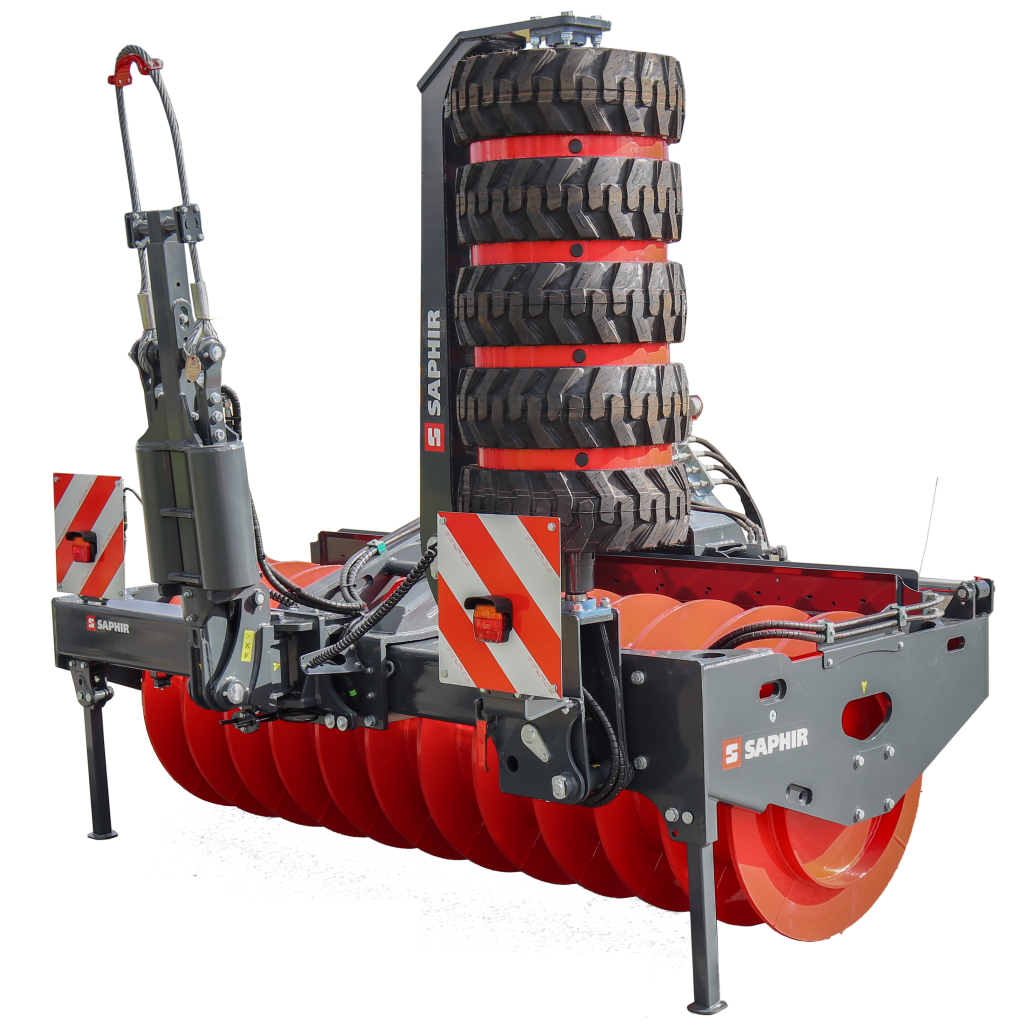
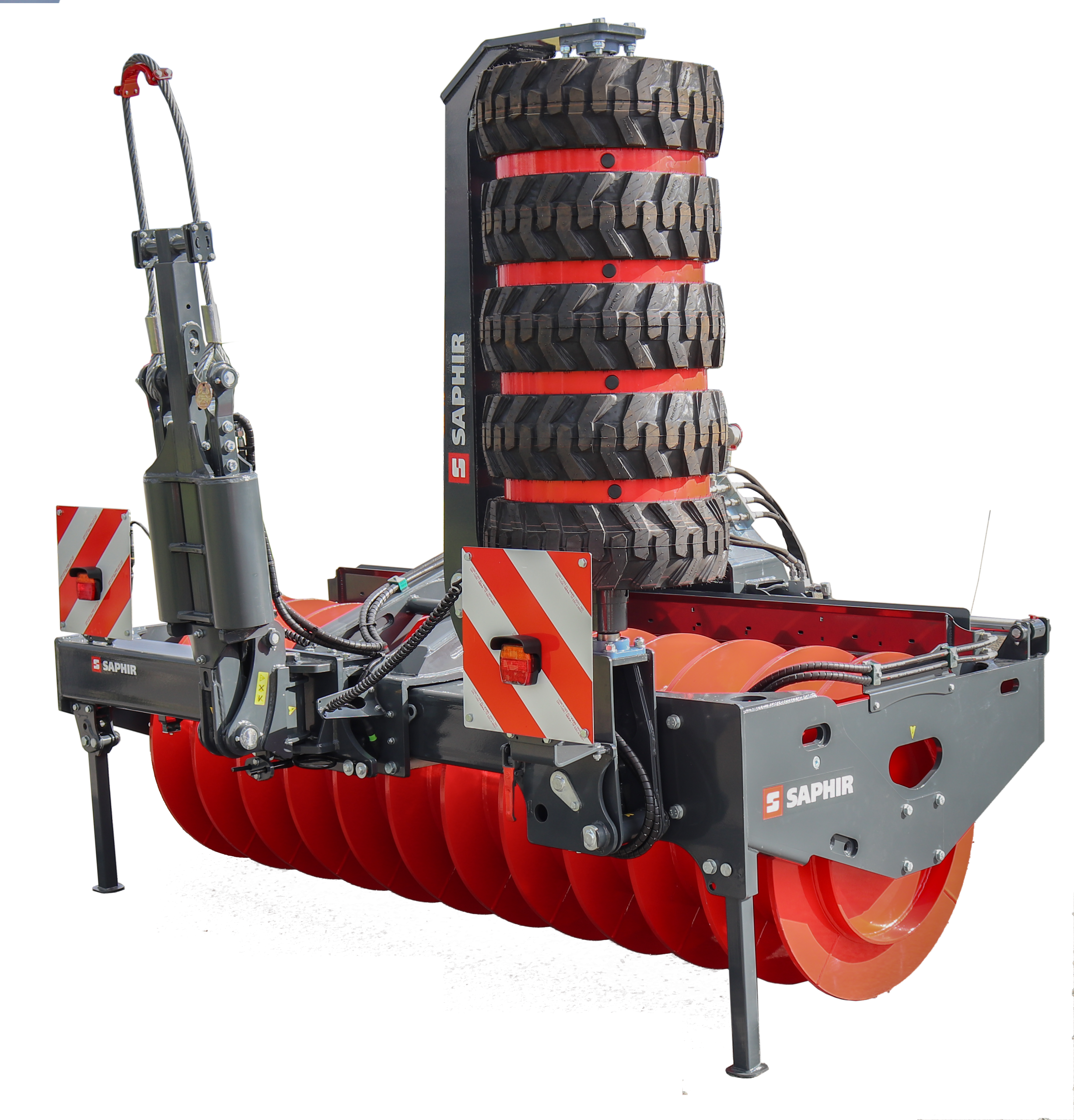
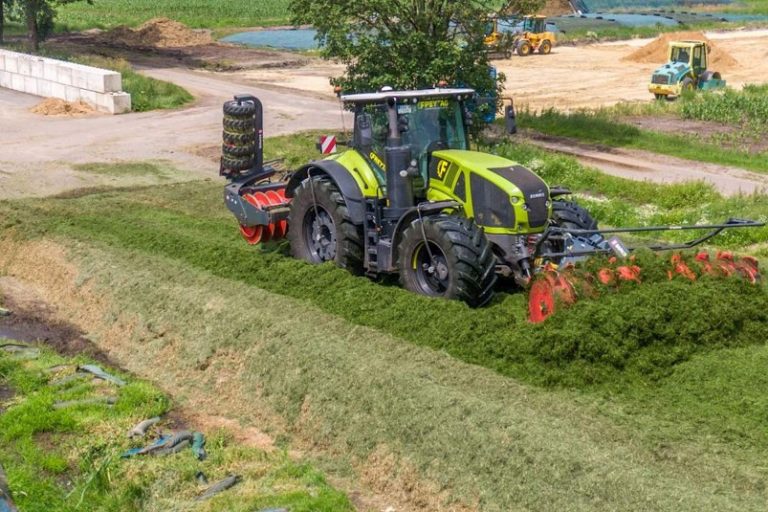
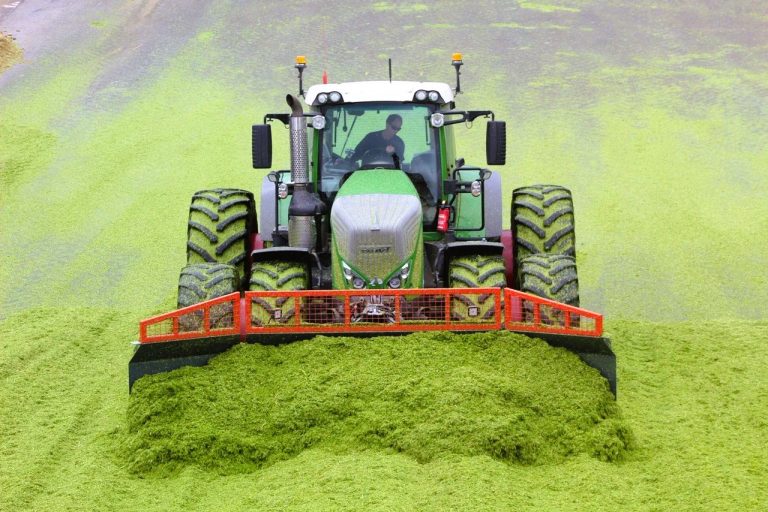
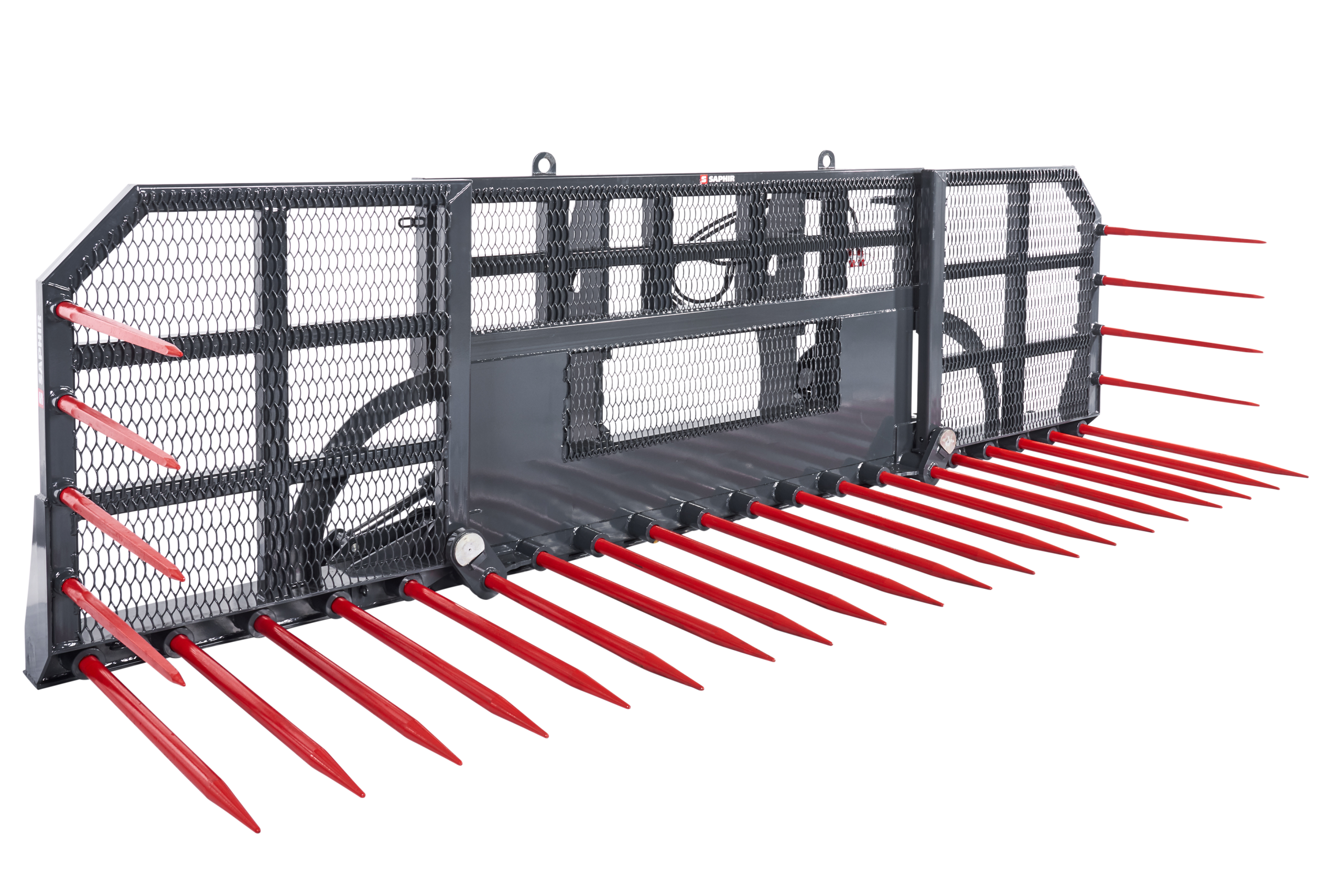
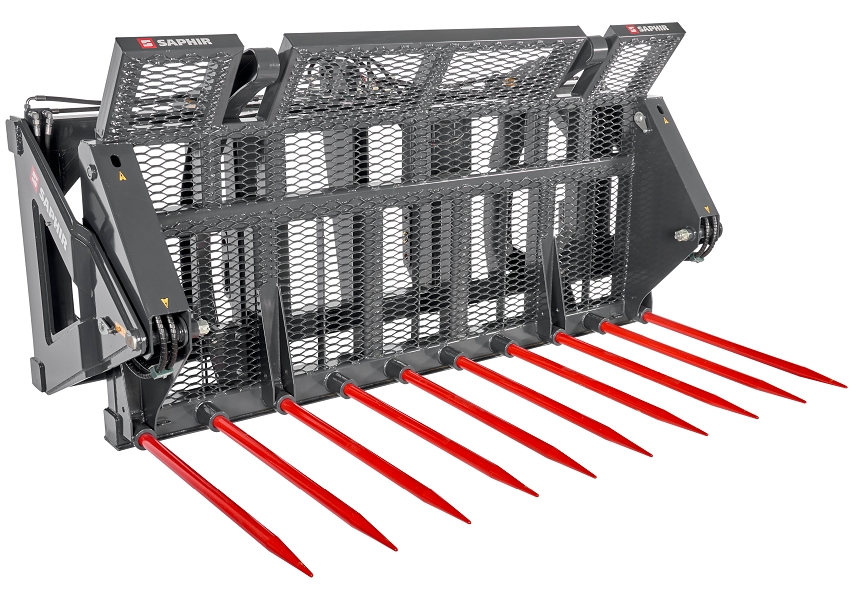
The new SiloRex from Saphir offers optimal compaction of grass and maize high compaction through clever technology and practical equipment.

Β 

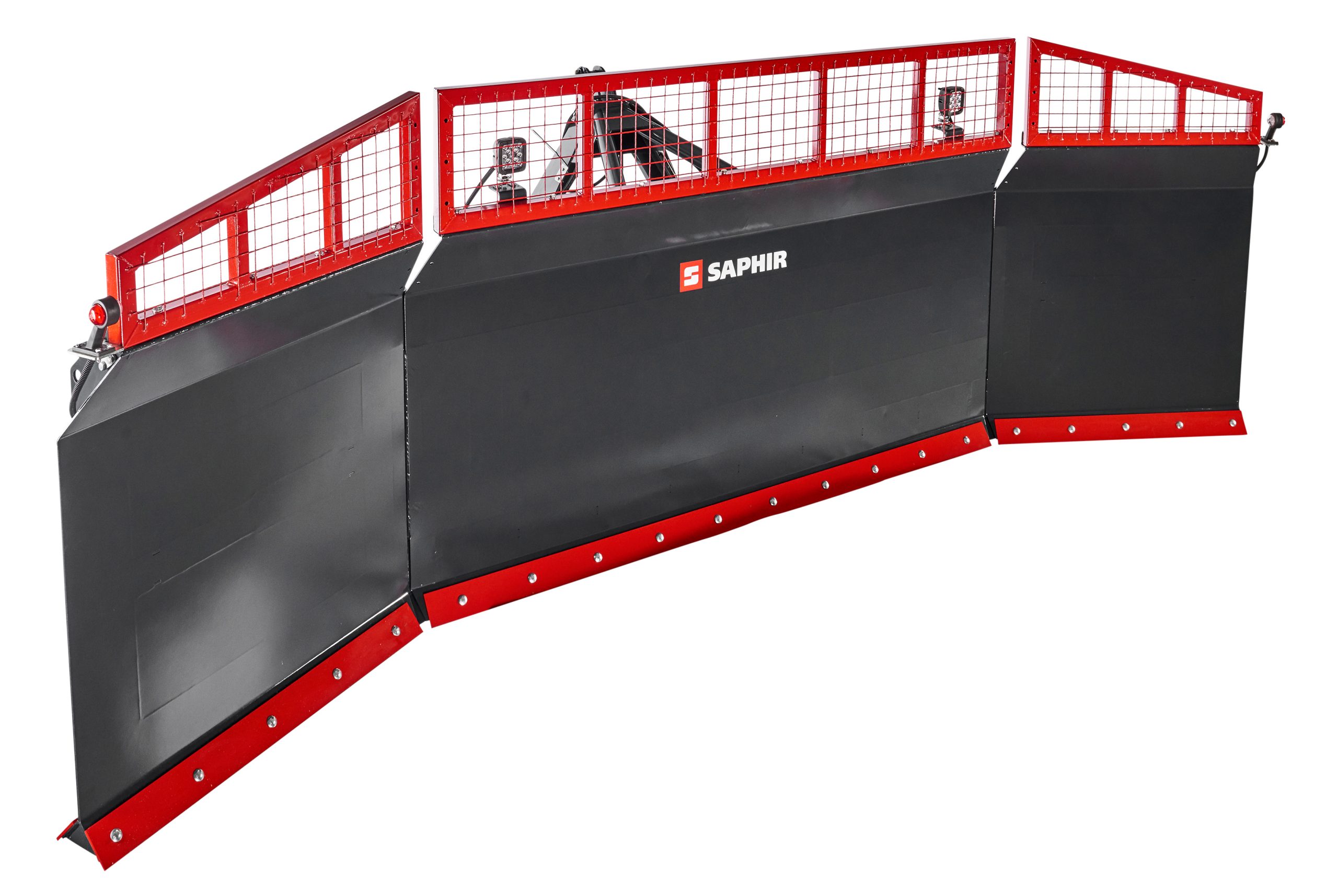
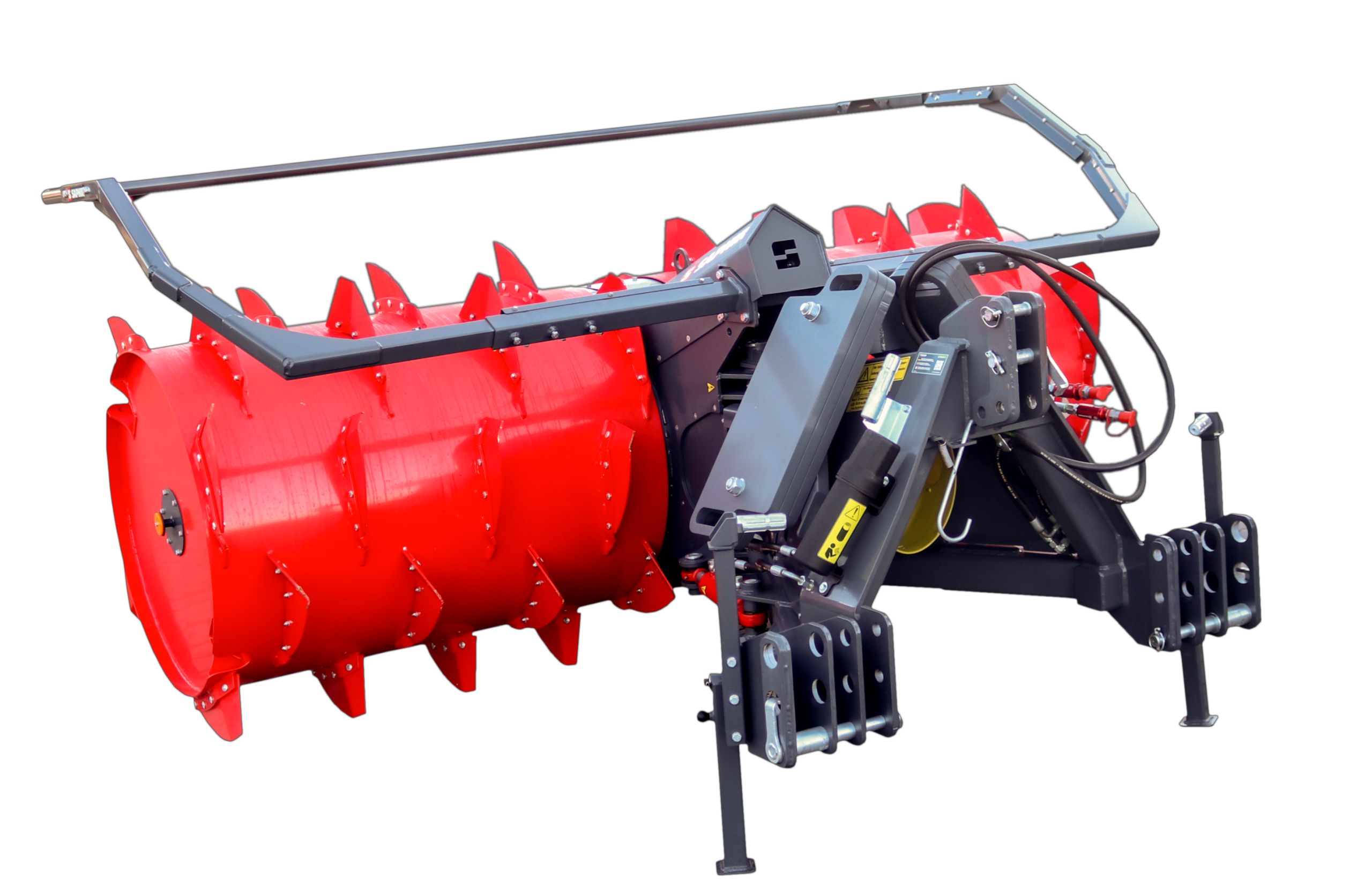
When every minute of compaction counts in a drive-over silage clamp, the technology can’t compromise. That’s precisely why Saphir is bringing a fresh approach to the farm: With the new SiloRex silage roller, is setting several new standards in terms of compaction, ease of operation, and flexibility, according to the company.

The SiloRex is designed so that all equipment options can be freely combined at once. Whether hydraulic towing device, double-sided shifting or edge compactor – everything can be assembled in any desired configuration.
The large hydraulic side shift of 640 mm on both sides is fully retained (model 30H). This allows the roller to adapt optimally to changing silo sizes and applications – a real efficiency gain, especially for contractors with varying customer requirements.

Saphir’s new patented SmartPull system is a Game Changer
A true highlight of the new series is the optional SmartPull system. This is a patented and DLG Innovation Award – winning lifting device with two powerful spring assemblies. What does it offer? Greater safety and convenience when hitching up the trailer.

The system dampens peak loads and ensures smooth, even lifting – a noticeable difference, especially with heavy loads on the silage ramp. Saphir now also offers a new set of towing hooks to complement the lifting device. Conveniently, when not in use, it can be stored directly on the silage roller, saving space and ensuring everything stays in place.

More weight – more effect
Saphir goes all out when it comes to roller weight. Which is why Saphir is the market leader with the heaviset silage roller system. Even in its standard configuration, the SiloRex delivers considerable mass to the axle: the frame and roller body are water-fillable – the roller can be ballasted by up to 455 kg. The result: a maximum contact pressure of up to 17.19 kg/cmΒ².
For comparison: A tractor tire of size 600/65 R 38 at 1.5 bar has a density of only 0.97 kg/cmΒ². This means: better compaction, less air in the silage pile, more stable fermentation quality – with every pass.

The right option for every company size
The SiloRex is available in two widths (2.5 m and 3 m) and optionally with a rigid design or hydraulic shifting on both sides. This makes it attractive for medium-sized dairy farms as well as larger biogas plants and professional agricultural contractors. With the SiloRex, Saphir continues its successful line of silage rollers – while simultaneously setting new standards. The previous series of machines has been in practical use for over ten years and is operated by many farms across Europe. The update to the SiloRex now represents the next step in its development.

Ready to upgrade your Silage equipment? Talk to us about your equipment combination deal for you today.

Professional farming technology to optimise your future.

Our powerful tech provides solutions which add value to your business.

Modern farming is evolving rapidly, and with it, real opportunities for redefining your success, with better technology options.

AGRIPRO represents world-class manufacturers and we bring their technical expertise directly to you. When you work with AGRIPRO you gain direct access to the designers and engineers behind the products.

Efficiency, animal welfare, productivity, and sustainability are achievable, measurable outcomes. We will help you identify, select, and implement the right solutions for your operation, and your goals.
If you can’t find what you need, tell us. We will find it.

We are here to help, send us your inquiry today.

Let’s talk, phone us on 0800 48 36 36 or visit our Contact Us page to share your questions, challenges, product requirements, and you can send plans or drawings by simply dragging and dropping your files – it’s that easy.

Probably the best cattle brush in the world. Good for the cow and the farmer

AGRIPRO is super proud to be the exclusive distributor for KVIA through-out New Zealand and Australia, Jacob has done an amazing job engineering the KVIA range of cattle brushes.

Turn your manure into
bedding and fertiliser.

NEW

Purchased loose cow bedding is a significant and avoidable cost in every dairy operation. Fertiliser is not - however, the quantity required for purchase can be reduced.

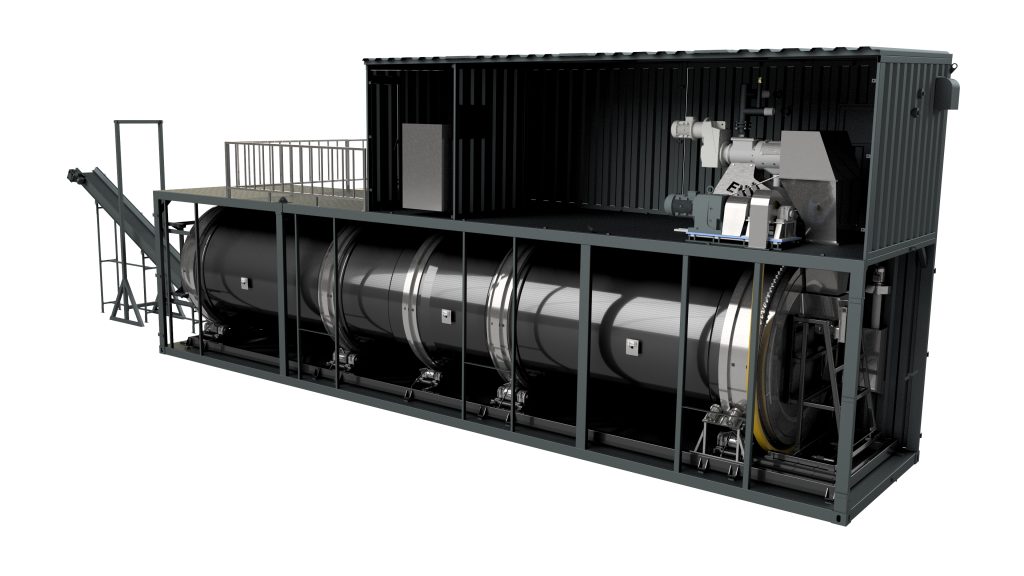
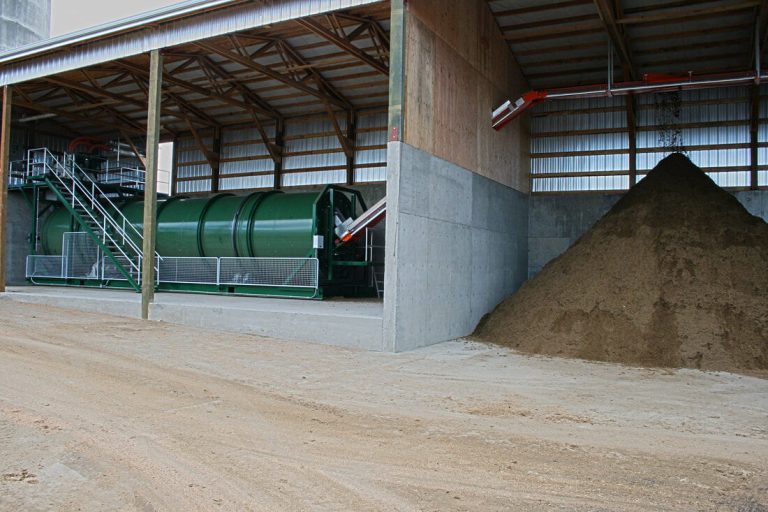
The EYS Bedding Composterβ„’ eliminates these costs by mineralising your manure into a premium, hygenic, pathogen-free material without external heat, through accelerated aerobic fermentation. The EYS Bedding Composterβ„’ produces a drier output than separation alone, making it ideal for cow bedding and then be recycled as fertiliser, or apply it directly as fertiliser.

The EYS Bedding Composterβ„’ is an all-in-one system incorporating manure separation of 35-40% DM, automated drum composting system exceeding temperatures of 70Β°C, mineralising the manure solids into hygienised, pathogen-free material in 24–72 hours without external heat, temperature logging and composting parameters can be monitored and adjusted wirelessly via smartphone.

Download the EYS Bedding Composterβ„’ product brochure to compare the four models’ technical details, power consumption, configurations and dimensions.

Learn more >

Download Product Brochure to compare the four models technical details see technical details power consumption, dimensions…

What is Mineralisation and how does it work?

Mineralisation through aerobic fermentation is a biological process where micro-organisms (primarily bacteria and fungi) break down organic matter, such as waste, plant residues, or sewage into inorganic compounds in the presence of oxygen. It is a form of nutrient cycling that converts nutrients bound in complex organic structures into simple, bioavailable forms like phosphates, nitrates, and sulphates, which can then be used by plants or other organisms.

How Mineralisation Occurs in Aerobic Conditions

  • Role of Oxygen: The presence of oxygen allows aerobic heterotrophic bacteria to operate with high efficiency. They “breathe” oxygen to oxidize complex organic compounds, releasing carbon dioxide, water, and energy in the form of ATP.
  • Decomposition Steps: The process generally occurs in three stages: initial degradation by surface bacteria, an intermediate stage where fermentation byproducts are utilized, and a final stage where remaining substances are oxidized into minerals.
  • Nutrient Release: Nitrogen in organic matter is converted to ammonium and then to nitrate, while phosphorus and sulphur are released as phosphate and sulphate, respectively.
  • Environmental Factors: The process thrives in warm, moist, and well-aerated environments.

Key Differences: Aerobic Mineralization vs. Traditional Fermentation

While traditionally “fermentation” implies an anaerobic (no oxygen) process, aerobic fermentationβ€”often called aerobic mineralisationβ€”uses oxygen to drive metabolic reactions that break down organic waste without producing methane.

  • Aerobic Mineralization/Fermentation: Uses oxygen, produces carbon dioxide and inorganic nutrients (high nutrient release), no methane.
  • Anaerobic Fermentation: Occurs in the absence of oxygen, results in intermediate organic compounds like alcohol or acids, and produces lower levels of available nutrients.
    Anaerobic Fermentation: Occurs in the absence of oxygen, results in intermediate organic compounds like alcohol or acids, and produces lower levels of available nutrients.

Applications of Aerobic Mineralisation (these bulletΒ  points need to align with aboves)

  • Aquaponics and Aquaculture: It is used to turn fish waste (sludge) into nutrient-rich water (supernatant) that can be reused for plant growth.
  • Waste Management: It is a rapid method for treating sewage and organic solids, reducing organic contaminants by up to 98%.
  • Composting: The process behind Aerated Compost Tea (ACT) that enhances soil health by accelerating the breakdown of organic material.

Benefits of Aerobic Mineralisation

  1. Nutrient Availability: It directly converts unavailable organic nutrients into forms that plants can readily absorb, such as nitrate and phosphate.
  2. Solid Volume Reduction: It reduces the volume of organic waste solids (sludge).
  3. Efficiency: It is often faster and more efficient at releasing nutrients compared to anaerobic, or waterlogged, conditions.

The efficiency of this process is often monitored by measuring the carbon-to-nitrogen ratio, with lower ratios below 25:1 generally leading to faster and more complete mineralization.

Feeding livestock is the most important, time-consuming and energy-intensive job on the farm.

For operations where feeding accuracy, labour optimisation, energy efficiency, and production consistency are managed as a unified commercial priority, automated feeding is the most defensible investment on the farm.

Ready to upgrade your operation?

Get product guidance from our agricultural equipment specialist. Free consultations available.